
Home security is one of the most critical aspects of protecting your family and belongings, yet many homeowners in New Lebanon and throughout Montgomery County overlook basic locksmith safety practices that could prevent break-ins and unauthorized access. Whether you've just moved into a new home on Gregory Ave or have lived in the area for years, understanding proper lock maintenance, key management, and security best practices is essential for keeping your property safe. At New Lebanon Locksmith, we've helped countless homeowners strengthen their security, and we're sharing our professional insights to help you make informed decisions about your home's safety.
Understanding Your Home's Lock System
Before you can properly secure your home, you need to understand the different types of locks protecting your property and how they work. Most homes in New Lebanon feature a combination of deadbolts, knob locks, and sometimes smart locks, each serving a specific security purpose.
Deadbolt locks are your primary defense against forced entry. Unlike spring-bolt locks found in doorknob sets, deadbolts cannot be easily jimmied or pushed back with a credit card. A quality deadbolt should extend at least one inch into the door frame and be made of hardened steel to resist cutting or sawing. Grade 1 deadbolts offer the highest residential security rating and are worth the investment for exterior doors.
Knob locks and lever handle locks should never be your sole security measure. These are designed more for privacy than security and can often be defeated within seconds by experienced intruders. Always pair these locks with a deadbolt on exterior doors. Interior doors can safely use privacy locks, but your main entry points need stronger protection.
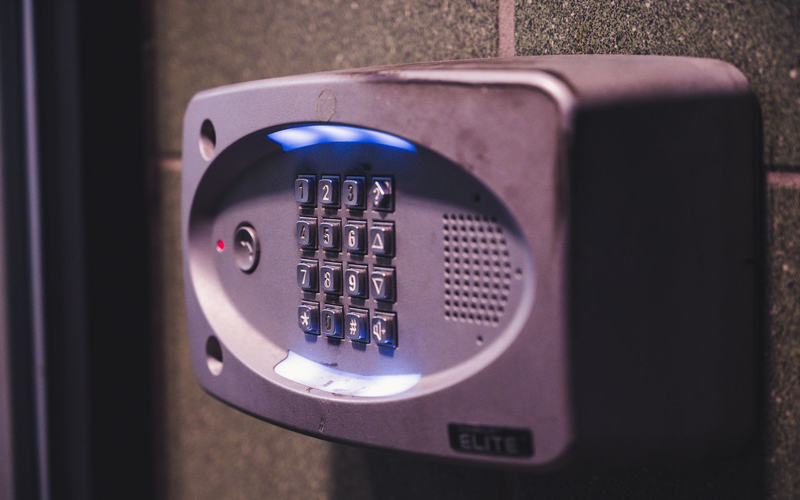
Smart locks have gained popularity in recent years, offering keyless entry through codes, smartphone apps, or biometric authentication. While these provide convenience and can enhance security when properly configured, they also introduce potential vulnerabilities if not regularly updated or if passwords are weak. We'll discuss smart lock safety in more detail later in this guide.
Essential Key Management Practices
Proper key management is one of the most overlooked aspects of home security. Many break-ins occur not because locks were picked or forced, but because unauthorized individuals obtained copies of keys through careless practices.
Never hide keys in obvious outdoor locations. The fake rock by the front door, under the doormat, or above the door frame are the first places burglars check. If you need to provide emergency access for family members or trusted friends, consider installing a secure lockbox with a combination code or giving a key to a trusted neighbor instead.
Keep track of everyone who has a key to your home. This includes family members, former roommates, ex-partners, contractors, housekeepers, and pet sitters. Create a mental inventory and update it whenever circumstances change. If you've recently ended a relationship, had a contractor complete work, or changed service providers, it's time to rekey your locks.
Avoid labeling your keys with your address. If you lose your keys and they're labeled with your home address, you've essentially given a burglar an invitation and the tools they need. Instead, use color coding or numbers that only you understand.
Be cautious about where you have keys duplicated. Reputable locksmiths like New Lebanon Locksmith keep records of key duplication and may require identification for high-security keys. Avoid using unattended key-cutting kiosks for your home keys, as these create no paper trail and anyone can duplicate your keys without verification.
When to Rekey or Replace Your Locks
Knowing when to rekey or replace your locks is crucial for maintaining home security. Many homeowners continue using the same locks for years without considering whether they're still providing adequate protection.
Always rekey when moving into a new home. This is non-negotiable. You have no way of knowing how many copies of the existing keys are circulating. Previous owners, their family members, contractors, real estate agents, and others may have keys. Professional rekeying costs between $80 and $150 for most homes and provides complete peace of mind.
Rekey after losing keys or experiencing a break-in. If your keys are lost or stolen, rekey immediately. Similarly, if your home has been burglarized, the intruder may have made copies of your keys during the incident. Don't take chances with your family's safety.
Consider rekeying after relationship changes. Divorces, breakups, or disputes with former roommates or tenants are common reasons to rekey. Even if you trust the person to return all keys, they may have made copies you don't know about.
Replace locks that show wear or damage. If your locks are sticking, difficult to turn, or showing visible damage, they need replacement. Worn locks are easier to pick and may fail at critical moments. Most residential locks should be replaced every 5-7 years, even with proper maintenance.
Upgrade locks when moving to a higher-crime area or after neighborhood incidents. If break-ins have occurred in your New Lebanon neighborhood, it's wise to upgrade to higher-security locks. Grade 1 deadbolts and reinforced strike plates can make your home significantly less attractive to criminals.
Securing All Entry Points
Most homeowners focus exclusively on their front door while neglecting other vulnerable entry points. A comprehensive security approach addresses every possible access point to your home.
Back doors are statistically the most common entry point for burglars because they're less visible from the street and often have weaker locks. Install the same quality deadbolts on your back door as your front door. Sliding glass doors should have additional security bars or pins to prevent them from being lifted off their tracks or forced open.
Garage doors require special attention. Many homeowners leave garage doors unlocked or use weak locks, forgetting that the door from the garage into the house often has minimal security. Always lock your garage doors, install quality deadbolts on entry doors from the garage, and never leave your garage door opener in your car when parked outside.
Windows are frequent entry points, especially ground-floor and basement windows. Install window locks on all accessible windows, and consider adding security film or bars on particularly vulnerable windows. Keep windows locked even when you're home, especially when sleeping.
Basement doors and bulkhead entries are often forgotten. These exterior entries need the same security attention as other exterior doors. Install quality locks and consider adding motion-sensor lighting to these areas.
Smart Lock Safety and Best Practices
Smart locks offer convenience and advanced features, but they require proper setup and maintenance to remain secure. Many homeowners install smart locks without optimizing their security settings, creating vulnerabilities.
Use strong, unique passwords and PINs. Avoid birthdays, anniversaries, or simple number sequences like 1234. Create passwords that combine letters, numbers, and special characters. Change default passwords immediately after installation, as these are publicly known and easily exploited.
Keep firmware updated regularly. Manufacturers release security patches to address newly discovered vulnerabilities. Enable automatic updates if available, or manually check for updates monthly. Outdated firmware is one of the most common smart lock security weaknesses.
Limit and monitor user access. Most smart locks allow you to create temporary codes for guests or service providers. Use this feature instead of sharing your primary code. Regularly review access logs to monitor who's entering your home and when. Delete codes for individuals who no longer need access.
Ensure your home Wi-Fi network is secure. Smart locks connected to your network are only as secure as the network itself. Use WPA3 encryption (or WPA2 if WPA3 isn't available), create a strong router password, and consider placing smart home devices on a separate network from your computers and phones.
Have a backup plan for power outages and technical failures. Most smart locks include traditional key backups. Keep these keys in a secure location accessible during emergencies. Know how to manually unlock your door if the electronic system fails.
Protecting Keys in Your Vehicle
Car break-ins in New Lebanon and surrounding areas often target more than just vehicle contents. Thieves look for house keys, garage door openers, and registration documents that include your home address.
Never leave house keys in your vehicle, especially if your registration or insurance documents listing your home address are in the glove compartment. This gives criminals everything they need to access your home while you're away.
Remove garage door openers when parking outside overnight. If your car is broken into and the thief obtains your garage opener and address, they have easy access to your home. Consider replacing traditional garage openers with smartphone-controlled systems that don't physically remain in your vehicle.
Use valet keys when using parking services. Valet keys typically only operate the ignition and doors, not the trunk or glove compartment where you might store house keys or important documents. This limits access if the valet key is copied or the service is dishonest.
Working with Professional Locksmiths
Knowing how to select and work with reputable locksmiths protects you from scams and ensures quality service. Unfortunately, the locksmith industry has its share of fraudulent operators, particularly in emergency situations.
Verify locksmith credentials before emergencies occur. Identify a trusted local locksmith in New Lebanon before you need one. Check for proper licensing, insurance, and positive reviews from verified customers. Save their contact information in your phone so you're not searching desperately during a lockout.
Be wary of extremely low quotes. If a locksmith quotes significantly less than competitors for the same service, be suspicious. Scam locksmiths often quote low rates over the phone, then dramatically increase prices once on-site, claiming additional work is needed. Legitimate locksmiths provide transparent pricing.
Ask for identification and verification. When a locksmith arrives, ask to see their identification and verify they're from the company you called. Scammers sometimes monitor service calls and arrive before legitimate locksmiths to perform unnecessary work at inflated prices.
Understand typical service costs. In Ohio, locksmiths typically charge $80-$150 for rekeying services, $100-$250 for lockouts depending on time and lock complexity, and $150-$300 for lock replacements including hardware. Emergency after-hours services cost more but shouldn't be triple standard rates.
Get written estimates for major work. For significant projects like whole-house rekeying or security system upgrades, always get written estimates from multiple locksmiths. Ensure the estimate details all work to be performed and materials needed.
Emergency Lockout Prevention
While lockouts happen to everyone eventually, many can be prevented with simple precautions that don't compromise your security.
Develop a key routine. Designate a specific place for your keys at home and always return them there. This habit reduces the chance of locking yourself out because you grabbed the wrong keys. Similarly, establish a pattern for checking you have your keys before closing self-locking doors.
Consider keyless entry options. Modern keyless entry systems eliminate the possibility of lockouts due to lost or forgotten keys. Options include keypad deadbolts, smart locks with smartphone access, or biometric systems. Ensure you maintain backup access methods in case of battery failure.
Provide emergency keys to trusted individuals. Give a spare key to a trusted family member, close friend, or neighbor who lives nearby. Choose someone reliable who will be available during emergencies and won't use the key inappropriately.
Carry a backup key separately. Keep a house key separate from your main keychain, perhaps in your wallet or a different pocket. This way, if you lose your primary keys, you still have access. Just ensure this backup isn't kept in your vehicle with your address information.
Children and Key Safety
If you have children, teaching them proper key safety is essential for maintaining home security while ensuring they can access the house when needed.
Wait until children are mature enough before giving them keys. There's no magic age, as maturity varies, but most experts suggest waiting until at least age 10-12. Consider your child's responsibility level, their tendency to lose things, and whether they understand security concepts.
Teach children never to label keys with addresses or last names. If they need identification on their keychain, use only a first name and your phone number. This allows good Samaritans to return lost keys while preventing criminals from knowing where the keys belong.
Instruct children never to display keys publicly or tell non-family members they have house keys. Children may not understand that announcing they have keys tells potential criminals when parents aren't home.
Consider alternatives to traditional keys for children. Smart locks with individual access codes eliminate the possibility of lost keys. You can monitor when your child enters the home through access logs and disable their code if needed without rekeying the entire house.
Vacation and Extended Absence Security
Extended absences require special security considerations to prevent your home from becoming an obvious target.
Never announce your travel plans on social media until after returning. Posts about upcoming vacations tell criminals exactly when your home will be empty. Even if your privacy settings are strict, information can spread beyond your intended audience.
Arrange for trusted individuals to check your property. Have neighbors, friends, or family visit periodically to check for signs of attempted entry, collect mail and packages, and maintain a lived-in appearance. Provide them with keys directly rather than hiding keys outside.
Use light timers and smart home devices. Lights on timers or smart bulbs programmed to mimic your normal patterns make your home appear occupied. Vary the timing so patterns aren't obviously automated.
Secure sliding doors with blocking bars. Before leaving, place dowels or blocking bars in the tracks of sliding glass doors and windows to prevent them from being forced open even if locks are compromised.
Recognizing and Addressing Security Vulnerabilities
Regularly assess your home for security weaknesses that might not be immediately obvious.
Examine door frames and strike plates. The strongest deadbolt is useless if the door frame is weak. Ensure strike plates are secured with 3-inch screws that penetrate the wall studs, not just the door frame. Consider installing reinforced strike plates for enhanced security.
Check for excessive gaps around doors. Gaps larger than 1/8 inch between the door and frame can allow tools to be inserted for lock manipulation. Install weatherstripping to close these gaps while improving energy efficiency.
Evaluate outdoor lighting. Dark entry points invite criminal activity. Install motion-sensor lights at all exterior doors and potential entry points. Criminals prefer darkness and will often move on to easier targets when confronted with good lighting.
Trim landscaping near entry points. Overgrown bushes and trees provide concealment for criminals attempting to break in. Keep vegetation trimmed back from doors and windows to eliminate hiding spots and improve natural surveillance.
Test your locks regularly. Periodically verify that all locks engage properly and deadbolts extend fully. Locks that stick or don't fully engage may fail during attempted break-ins.
Frequently Asked Questions About Locksmith Services
Understanding locksmith services and costs helps you make informed decisions about your home security.
How much should a locksmith cost per hour? In Ohio, professional locksmiths typically charge $75-$150 per hour for standard services, with emergency after-hours services costing $100-$200 per hour. Many services are charged per job rather than hourly, such as rekeying ($20-$30 per lock) or lockout services ($100-$150 per incident).
What locks can locksmiths not open? Most professional locksmiths can open nearly any lock, but some high-security locks with specialized keyways, advanced electronic locks without proper access codes or tools, and severely damaged locks may require drilling or replacement rather than picking. Time locks and certain proprietary lock systems may also present challenges.
How much is a locksmith in New Lebanon, Ohio? Locksmith costs in New Lebanon align with regional Ohio pricing: $100-$150 for emergency lockouts, $80-$150 for rekeying services, $150-$300 for lock replacement including hardware, and $50-$100 for standard service calls. Prices vary based on service complexity and timing.
How much should a locksmith charge to change a lock? Changing a lock typically costs $150-$300, including labor and a new lock mechanism. Rekeying existing locks costs considerably less at $20-$30 per lock plus a service call fee. If your existing locks are in good condition, rekeying is more cost-effective than replacement.
Is it cheaper to go to a locksmith or dealer? For automotive key services, locksmiths are typically 30-50% cheaper than dealerships and often provide faster service. For home locks, locksmiths offer better value than big-box hardware stores when you factor in professional installation and security assessment.
What kind of key can never unlock a door? This common riddle refers to a "monkey," "donkey," or "turkey" – but from a practical standpoint, damaged